25th January, 2026
A Fountain Publication

The Lodestar
Online Magazine for the Thinking Christian
Devotional
Trusting God’s Victory
“Some trust in chariots and some in horses, but we trust in the name of the LORD our God. They collapse and fall, but we rise and stand upright” (Psa 20:7—8). Read Psalm 20:1—9.
By Paulson Pulikottil
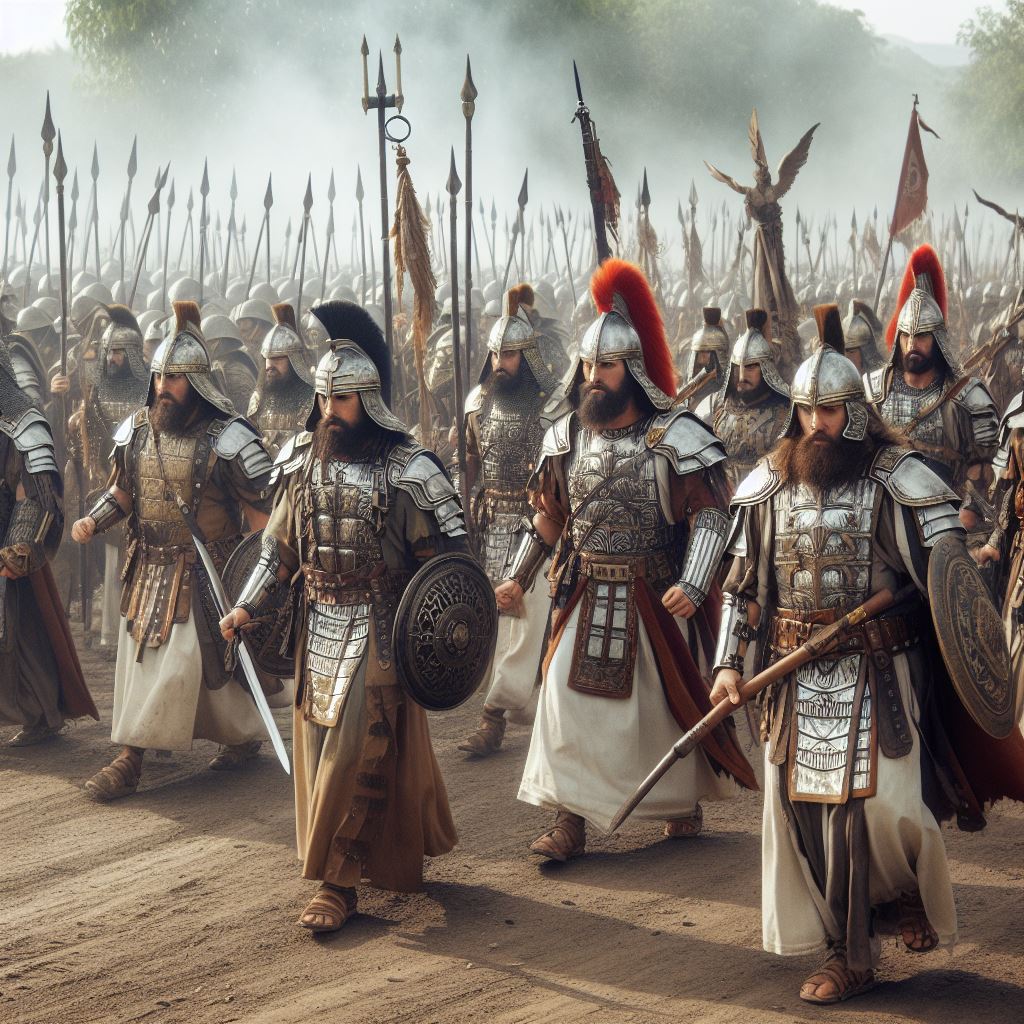
Wishing the king success as he set out on military campaigns was a significant part of life in the ancient world. Only one party wins any battle. Defeat is the last chapter in the life of that nation. The king who leads the battle may lose his life, along with many army officers and soldiers. The survivors will end up in exile in faraway nations, never to see their homeland again.
Psalms 20 and 21 are written against this historical background. The first one is the prayer offered while sending out the army led by the king, and the second one celebrates the victory. In this case, the king and the army returned victorious.
In the first five verses of Psalm 20, the subjects wish that everything will go well with the king. As they wish the king success, the people do not praise the king or his army for their power or abilities. But they invoke the blessing of the Lord upon the soldiers stepping into a venture that would decide the destiny of their nation, praying, “May he (the Lord).” Every sentence begins with this phrase, and seven times in five verses! The Lord determines the outcome of the battle.
They reiterate this truth in the following verses. The enemy is stronger and possesses advanced battle equipment, including chariots and horses. Israel was always far behind other nations technologically. When the Canaanites had fortified cities, horses, and chariots in the late Bronze Age, they had none. Later in the Iron Age, when the Philistines had mastered iron technology and were equipped with swords and spears, Israel had only two swords in the nation—one for Saul and another for his son Jonathan (1 Samuel 13:22). Later in the eighth century, when Assyrians threatened them, Hezekiah had to buy horses and chariots from Egypt to withstand the enemy.
Though poor in the armoury, they had great confidence in the Lord. Their history has taught them to say: “Some trust in chariots and some in horses, but we trust in the name of the LORD our God. They collapse and fall, but we rise and stand upright” (Psa 20:7—8). Knowing that no nation is a match for the Lord they serve, they prayed: “O LORD, save the king! May he answer us when we call” (Psa 20:9).
Yes, he did. That is, the story the following Psalm tells. The Lord, who collapsed the walls of Jericho without an arrow shot and helped David to fell the giant with just one slingshot, did it again.
When we face formidable challenges and fear failure, we have confidence in the Lord, who repeats history for his faithful.
(To receive these devotionals daily on WhatsApp, click here.)
Share this Article
Advertisements


Explore More on The Lodestar
Bible as Life’s Roadmap: Guidance for Morality, Wisdom, and Hope in Suffering
Ever felt lost at a crossroads in life, grappling with tough moral choices, financial pressures, or overwhelming suffering? The Bible offers a timeless roadmap, illuminating your path through...


Carried While Carrying: Finding God’s Strength Under the Weight of Life’s Responsibilities
Overwhelmed by life’s burdens? Discover God’s promise to sustain you. Biblical figures like Moses found strength beyond limits. Learn the paradox: carried while carrying.
The Paradox of Human Effort: Why Moral Willpower Fails without Heart Transformation in Christ
Tried being “good” through willpower? Apostle Paul exposes the paradox: “I do not do the good I want” (Rom 7:19). Discover why effort fails, self-deception hides flaws, and the biblical path to true...
Subscribe to our free weekly digest.
Join hundreds of others who have subscribed to our free weekly digest for inspiring news, faith, community, family, opinion, and culture content. Stay connected and nurture your spiritual growth with thought-provoking articles delivered straight to your inbox.
Join our growing community of readers today.