Life
Costly Peace: How Christmas Reveals the Price Christ Paid to Reconcile Us to God
Christmas promises peace amid chaos, but true shalom demands a price. Discover how Christ’s manger birth points to the cross, reconciling us to God by conquering sin. Unwrap the costly gift of peace this season.
Dec 15, 2025By Thangchinllian Guite
Every December, cities decorate their streets with lights and melodies that speak of peace. The word appears on greeting cards, carols, and banners. Yet, reality offers a sharp contrast. Conflicts rage, families quarrel, and individuals struggle with anxiety. Christmas exposes the tension between our longing for peace and our inability to secure it. Scripture announces that Christ came as the “Prince of Peace” (Isaiah 9:6), but it also shows that peace carries a cost.
Christmas is not merely a sentimental celebration; it is a historical intervention. God stepped into a chaotic world through Christ. When angels proclaimed “peace on earth” (Luke 2:14), they did not mean an inexpensive peace built on illusions. They pointed to God’s decisive act of reconciling humanity to himself, at a price only Christ could pay.
Peace Requires a Remedy for Sin
The Bible does not present peace as the absence of conflict but as a restored relationship with God. Sin broke that relationship (Romans 3:23). Humanity did not seek God; God pursued humanity. Christ’s birth in Bethlehem was the beginning of God’s rescue plan. He came to deal directly with sin, the force that destroys peace at every level—personal, communal, and global.
The manger scene appears humble and serene, yet its significance is profound. The infant wrapped in swaddling cloths was born to confront the world’s darkest problem. His mission was clear from the start: “You shall call his name Jesus, for he will save his people from their sins” (Matthew 1:21). Salvation was not theoretical; it demanded action, sacrifice, and death. The peace we celebrate at Christmas comes at a costly price—the life of Christ.
The Manger Points to the Cross
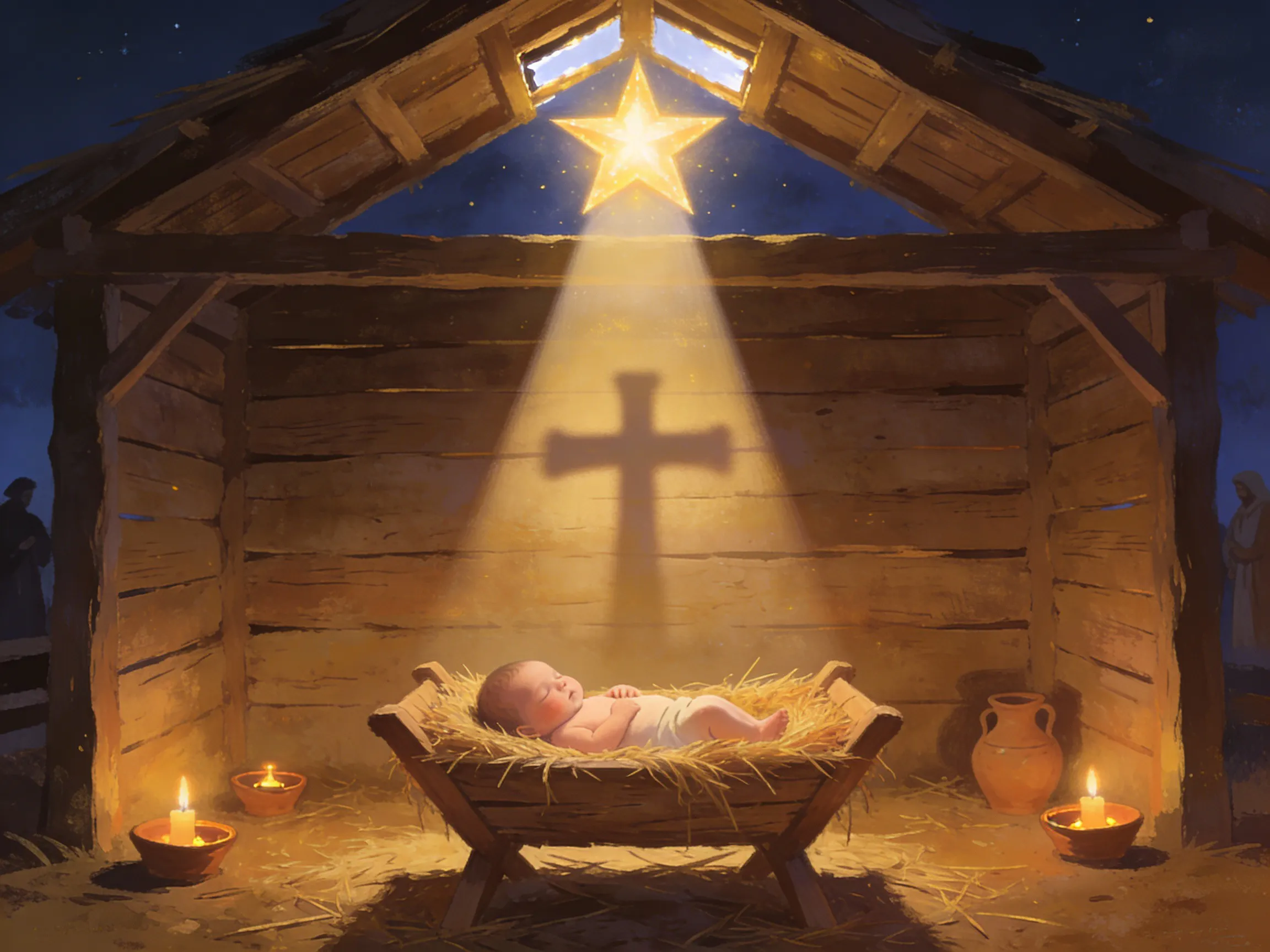
We cannot isolate Christmas from Easter. The wood of the manger anticipates the wood of the cross. Christ could not bring peace without suffering. Isaiah prophesied: “upon him was the chastisement that brought us peace” (Isaiah 53:5). Peace is not negotiated; it is purchased.
Christ’s ministry demonstrated the reality of this peace. He healed the sick, welcomed the rejected, and forgave the guilty. He restored dignity where society stripped it away. Yet his acts of peace provoked those who loved power and control. His compassion clashed with human pride. Peace became costly because sin resists reconciliation.
At the cross, Christ absorbed the wrath that sin deserves. The price was paid in full. The resurrection confirmed that God accepted the payment, making peace possible for all who trust in Christ. Christmas is the celebration of God initiating this plan with love, humility, and courage.
The Cost Reveals God’s Character
The world often treats peace as a political outcome or an emotional state, but Scripture reveals peace as a gift rooted in God’s nature. God desires reconciliation, not destruction. Christ’s incarnation displays God’s character with unmatched clarity. The eternal Word became flesh (John 1:14) and dwelt among ordinary people to demonstrate divine love through human presence.
Christ did not demand comfort. He entered poverty. He did not avoid pain. He endured the violence of the world with steadfast obedience. His peace is stronger than our conflicts because it is founded on sacrificial love.
The shepherds who first heard the message of peace were marginalised. Their witness shows that God’s peace is offered to people society forgets. Christmas affirms human worth in the eyes of God. True peace restores dignity that sin tries to erase.
Receiving Peace and Becoming Peacemakers
Peace remains incomplete if it stays theoretical. Christ calls believers to receive peace from God and extend peace to others. The apostle Paul writes, “since we have been justified by faith, we have peace with God through our Lord Jesus Christ” (Romans 5:1). This peace becomes the foundation for peace-making in a broken world.
Receiving peace changes relationships. Forgiven people learn to forgive. Loved people learn to love. Reconciled people learn to seek reconciliation. Christ commands his followers to act as peacemakers (Matthew 5:9). This calling demands humility, patience, honesty, and courage. It means addressing conflict rather than ignoring it. It requires truthfulness alongside compassion.
Christians do not create peace by their own power. They bear witness to the peace Christ already achieved. The Holy Spirit empowers this work, transforming hearts and guiding actions. Christmas encourages believers to become channels of God’s peace in families, churches, and communities.
Peace Challenges Injustice
We often imagine peace in sentimental terms—quiet scenes, soft music, and warm gatherings. However, the peace of Christ disrupts injustice. When Christ was born, Herod felt threatened and ordered a massacre (Matthew 2:16). Darkness resists light.
The peace of Christ challenges systems that exploit the vulnerable. It confronts greed, prejudice, and violence. It empowers believers to defend the dignity of others and to pursue justice grounded in love. True peace refuses to tolerate harm. It seeks wholeness for every person created in God’s image.
Our world still suffers under injustice. Some live under oppression, others face hunger or displacement. Christmas calls the church to respond with generosity and advocacy. When believers share resources, welcome strangers, and speak for the voiceless, they reflect the heart of Christ. That work may be costly, but it reveals the value of the peace Christ gives.
Peace amid Personal Struggles
Not every Christmas feels joyful. People carry grief, illness, failure, and loneliness. The message of Christmas does not deny these struggles. Instead, it meets people in their pain. Christ entered human suffering to remain close to those who hurt. He promised peace that surpasses understanding (Philippians 4:7).
This peace does not immediately remove all problems, but it anchors hearts in God’s unchanging love. Christ understands weakness and sorrow (Hebrews 4:15). Believers who trust Christ find strength to persevere. Christmas declares that suffering will not have the final word. The resurrection assures the victory of life over death and peace over chaos.
The Ongoing Invitation of Christmas
The Christmas story continues to invite every person to respond. The birth of Christ demands a decision: Will we accept God’s peace or reject it? The shepherds responded with faith and joy (Luke 2:15–20). Others ignored the message or opposed Christ. The invitation remains open to all.
Receiving Christ means surrendering pride, confessing sin, and embracing God’s gift of salvation. It means choosing peace that reshapes priorities and desires. It means following Christ in everyday life, trusting his guidance and obeying his word.
The celebration of Christmas loses its purpose if we appreciate its beauty but ignore its meaning. The price of peace was paid at great cost. God offers reconciliation freely, but it must be received personally.
Celebrate the Costly Gift
Christmas is a yearly reminder that peace is not an abstract dream. It arrived in Bethlehem with the cry of a newborn child. It walked dusty roads, healed the broken, and carried a cross. Christ’s sacrifice established peace that endures. This peace reconciles us to God, transforms relationships, confronts injustice, and sustains us in suffering.
As we celebrate Christmas, may we recognise the depth of God’s love and respond with gratitude and obedience. Peace came to earth—and it came at a price. Accepting this gift invites us into a new way of life, where Christ’s peace shapes our hearts and actions.
Let Christmas move us beyond sentiment into commitment. Let it lead us to worship Christ with reverence. Let it inspire us to become peacemakers who display God’s love. For the world still longs for peace, and Christ alone provides it.
(Thangchinlian Guite, with a lifelong passion for writing, finds joy in weaving his imagination into words on paper.)